


Effective crew critical communication ensures seamless tactical coordination across air, land, naval, and industrial missions.
By reducing errors, improving situational awareness, and synchronizing units in real time, advanced wireless systems empower teams to react faster, stay safer, and achieve mission success even in hostile environments.
Critical communication tactical solutions
Explore Global Sys’s wireless communication systems and see how our solutions turn communication into a true tactical advantage.
Why crew critical communication is essential for operational success
In high-stakes operations, poor coordination can compromise mission outcomes. Crew communications link pilots, operators, and ground personnel through secure, resilient systems designed to perform under pressure. Whether supporting flight crew, cabin crew, or industrial operators, clear communication is the foundation of safe and efficient missions.
From legacy two-way radios to AI-enhanced wireless networks, real-time communication technologies now provide situational audio awareness, low latency, and full interoperability, ensuring teams remain synchronized — whether in combat zones, industrial operations, or air-ground integration scenarios.
Tactical coordination and operational efficiency
Synchronizing tactical teams for better performance
Team communication eliminates confusion, enhances collaboration, and minimizes mission errors. Standardized tactical communication protocols ensure all units act in unison, even under pressure. Miscommunication can lead to friendly fire, operational delays, or inefficient use of heavy equipment in mission-critical contexts.
Real-time audio and latency management
Reducing voice latency is crucial: even milliseconds can impact decision-making. Real-time communication awareness allows teams to detect threats, respond rapidly, and coordinate actions effectively, particularly in distributed operations where centralized command is combined with field autonomy.
Integration into command structures
Embedding crew communications into command workflows ensures faster relays of information, structured feedback loops, and agile decision-making. Seamless integration bridges gaps between field units and command centers, creating a force multiplier effect across tactical operations.
Training drills and operational readiness
Structured mission critical communication training helps crews internalize protocols and device usage. Simulation exercises and repeated drills ensure communication becomes instinctive during high-pressure scenarios, enhancing mission reliability and crew confidence.
Real-world mission scenarios and field applications
Joint mission coordination
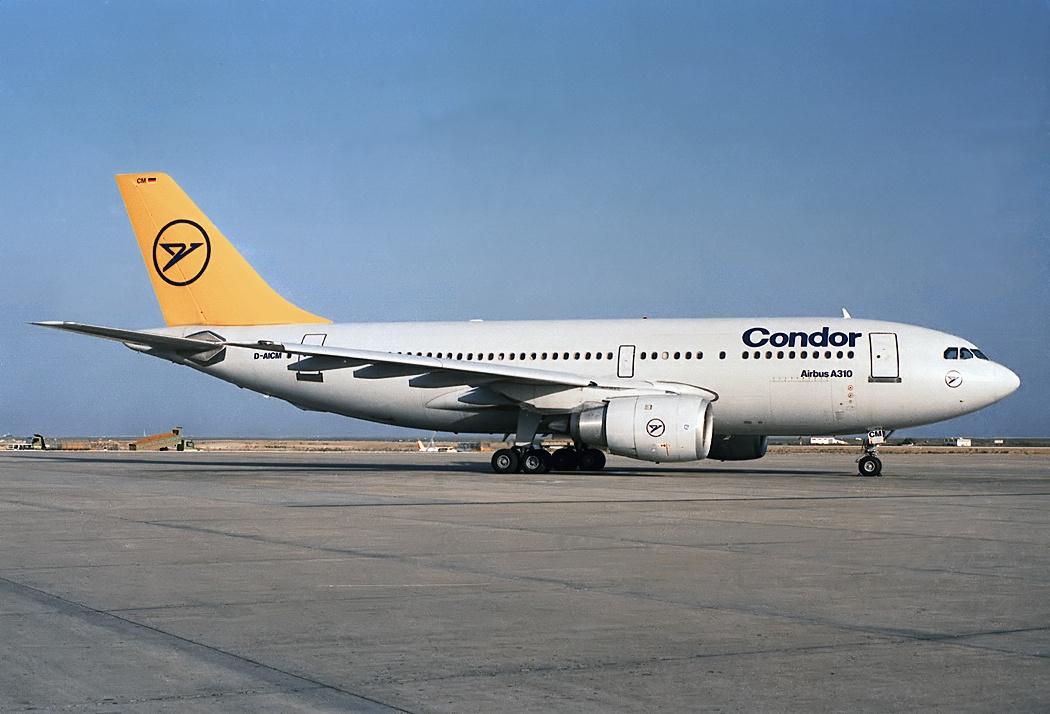
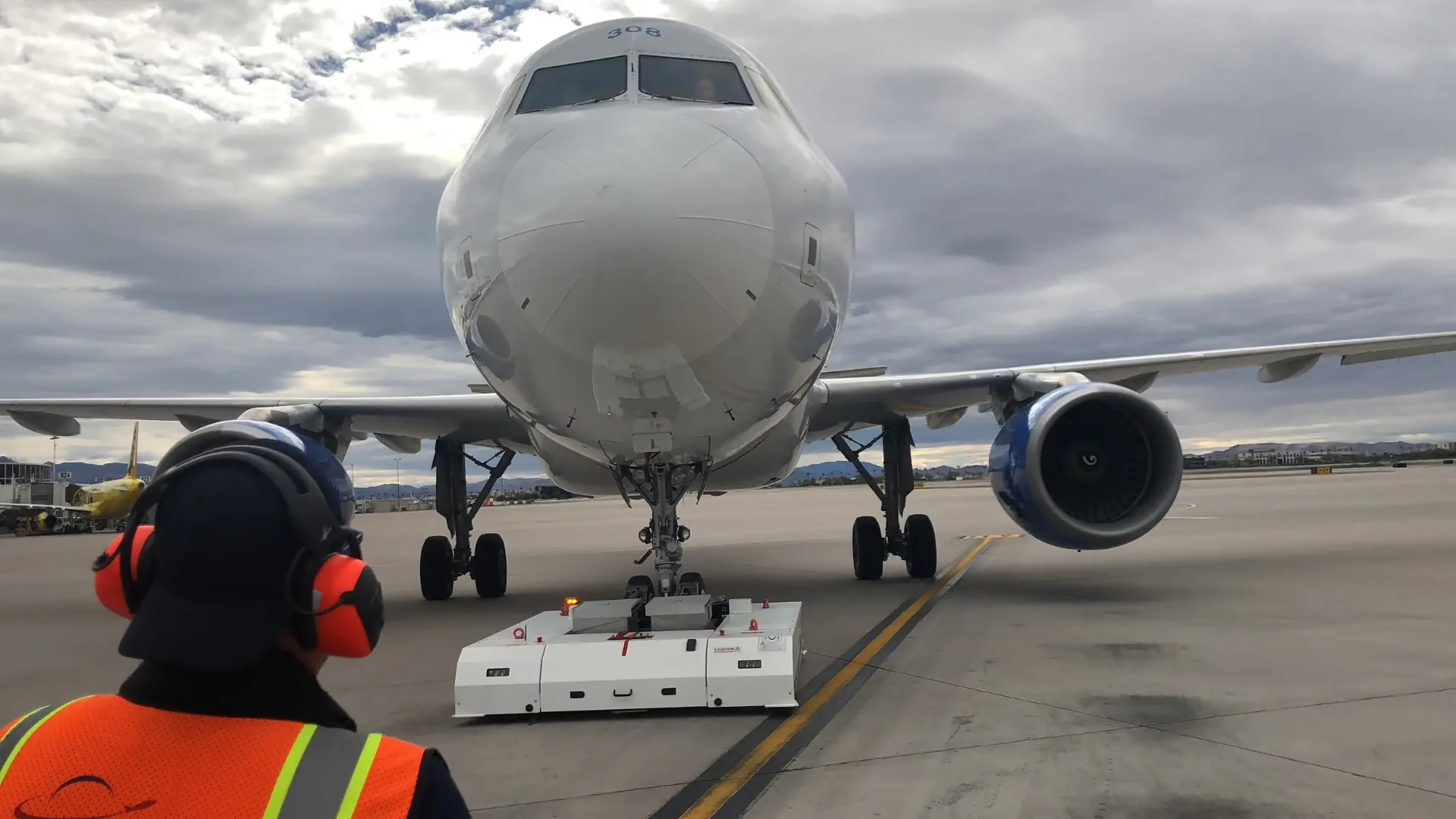
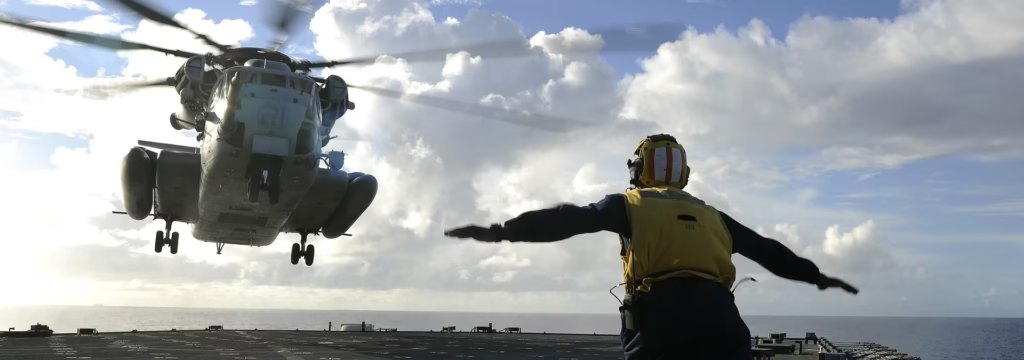
Joint mission communication enables ground, naval, and air assets to operate cohesively. Air-ground integration, for example, relies on precise crew coordination to ensure safe and efficient maneuver execution, particularly when handling heavy equipment or aircraft.
Special forces and hostile environments
Special operations require discreet, resilient, and secure systems. Encrypted mission critical communication maintains operational confidentiality in CBRN zones, remote areas, or hostile terrains, while noise-cancelling headsets ensure clarity despite environmental challenges.
Naval and convoy operations
During boarding, interception, or tactical convoy missions, crew communications ensure situational awareness, rapid response, and reduced operational errors. Multi-channel audio systems allow prioritization of critical information without overloading the operator.
Crisis response and medevac operations
Medevac and emergency communication systems link pilots, medics, and ground operators in real time. Alerts and embedded feedback loops provide immediate situational updates, ensuring team safety and optimized response times during emergencies.
Low-visibility and complex terrain coordination
Operations at night or in dense forests or mountainous terrain require robust crew communications, full-duplex links, and AI-assisted routing to maintain continuous operational awareness despite visibility or environmental constraints.
Technologies enhancing crew coordination
- Embedded tactical vehicle systems: Integrated communication in tactical vehicles allows instant coordination between crew and command centers.
- Hands-free tactical solutions: Hands-free headsets enable crews to react instantly while managing heavy equipment, maintaining focus without compromising safety.
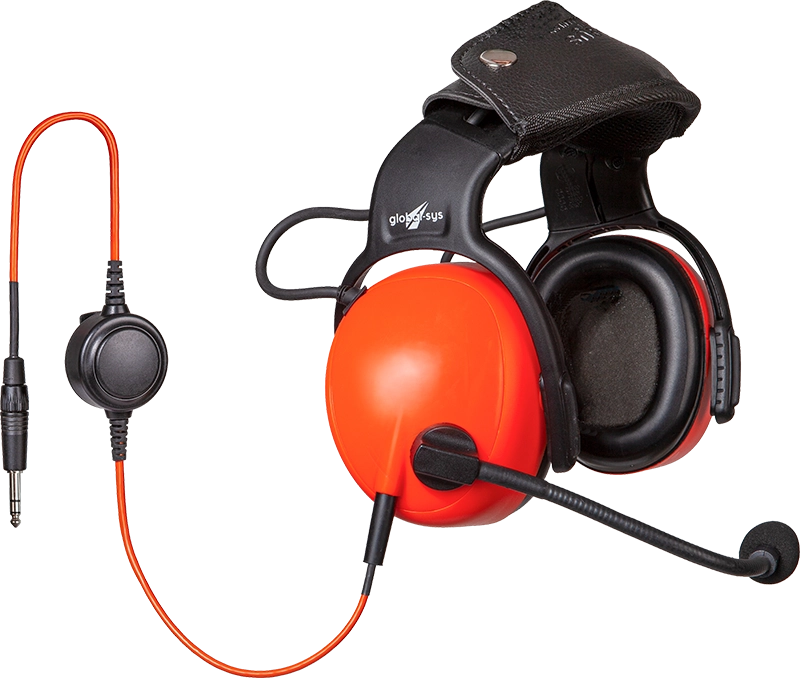
- Noise-cancelling and ruggedized headsets: Protect audio clarity in extreme conditions, from combat zones to industrial settings, ensuring clear communication at all times.
- Full-duplex and AI-assisted communication: Eliminates transmission delays and enhances team communication efficiency.
- IP-based and mobile tactical networks: Provide real-time communication capabilities for mobile or remote deployment.
- Secure and encrypted communications: Maintain confidentiality while ensuring operational readiness and interoperability.
Strategic benefits and operational ROI
Investing in mission critical communication delivers measurable operational benefits:
- Faster mission execution through reduced latency
- Reduced friendly fire risk with clear communication and encrypted channels
- Improved planning cycles via real-time communication feedback
- Increased reaction speed in high-pressure physical situations
- Optimized resource allocation across teams and heavy equipment
- Force multiplication via synchronized operations
- Prevention of radio silence ensuring continuous team communication
- Long-term resilience through standardized protocols and training
Integration, training, and deployment
Proper deployment includes:
- Rapid field setup in remote or contested zones
- Tactical comms training for recruits and experienced operators
- Legacy system integration for backward compatibility
- Device interoperability across multiple units
- Simulation exercises to test real-life coordination
- Scalable systems for small and large teams
- Operator feedback loops and post-mission analysis to refine procedures
Seamless integration ensures that crews remain agile, prepared, and effective.
Why GlobalSys leads in crew critical communication
Global Sys delivers wireless systems designed for mission critical communication and team communication excellence:
- Noise-cancelling headsets for extreme physical situations
- Full-duplex, hands-free solutions for cabin crew, flight crew, and ground operations
- Seamless interoperability with tactical vehicles, NATO systems, and encrypted networks
- Proven reliability in military, naval, aviation, and industrial missions
- Quick deployment and robust long-term performance reducing operational costs
Global Sys combines expertise, durability, and innovation to ensure teams remain connected, secure, and mission-ready.
Crew critical communication is the backbone of tactical coordination. By combining advanced technology, rigorous training, and operational expertise, Global Sys ensures teams stay connected, agile, and effective.